











Tips for New Alpaca Breeders
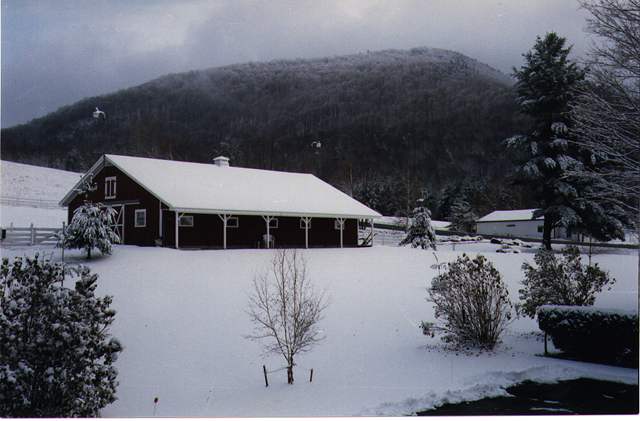
- Visit at least 6 farms or ranches of current breeders, varying in size and location if possible. Understand each farm's philosophy and approach to raising and breeding alpacas. Notice barn and pasture layouts. Look closely at fencing for ideas that might be useful to you. Ask questions.
- Subscribe to Alpaca Magazine. This publication contains a wealth of information important to new breeders. It is published quarterly, and it is a good idea to contact AOBA (Alpaca Owners and Breeders Association) and order back issues as well.
- Develop a philosophy and approach to the business for your farm. What will be your long range objectives? You can always modify these objectives as you gain experience. Possible options are:
- Fibre Arts - Focus on fibre quality from the start purchasing alpacas whose bloodlines have yielded consistently dense, fine and uniform fibre characteristics.
- Breeding and Showing - focus on confirmation and appearance of alpacas. However, don't forget that fibre quality is 50% of the measure in the show ring!
- Pets - Look for value and animal disposition, as well as the level of halter and lead training. When looking for pets, you do not have to settle for animals with an obvious problem.
- Include a series of small paddocks in your pasture layout. As your herd grows, there are always needs to segregate. Alpacas are by nature very quick to move, and it is easier to corner them for haltering in smaller areas.
- If your initial purchase is to be 2 or 3 alpacas, think about purchasing bred females or a pet quality animal. Chances are there are good males to breed your females to within a short range of your farm.
- Include a veterinarian in your buying decisions when possible. At the least, have a pre-purchase veterinarian examination of the alpaca you are about to purchase. Check jaw position (bite), teeth, eyes, legs for correctness, heart, lungs and over-all confirmation.
- Early on, get recommendations for and locate a good veterinarian - ideally one with camelid experience, although this is not always possible. Understand his or her fee structure.
- When visiting farms looking for animals to buy, notice how much "hands on" care is evident. This can be determined by how the breeder interfaces with the animals in your presence, as well as through questions about the daily routine of the farm. Purchasing alpacas who are used to being touched and haltered makes start-up easier.
- Locate a good source for hay. You are going to need roughly a bale per week per alpaca in the winter and somewhat less in the summer. Protein level should be about 12 to 14%, not higher or too much lower than this. It is a good practice to test your hay for protein, at least the first time you use it, and then periodically from then on. It goes without saying you should arrange dry storage for hay.
- A feed supplement is recommended, particularly for the winter months. There are several kinds of feed programs, and this is a good topic to cover during your initial farm visits. Everyone has there own thoughts and there are a number of approaches that will work. Parris Hill Farm makes its own mix, combining sweet crimped oats, cracked corn and soy meal. To this we add a mineral supplement.
637 Brownsville Hartland Road | Brownsville, Vermont 057037
(802) 484-3200 | leys@parrishillfarm.com